The Evolution of Women’s Sports: A Look at 2026
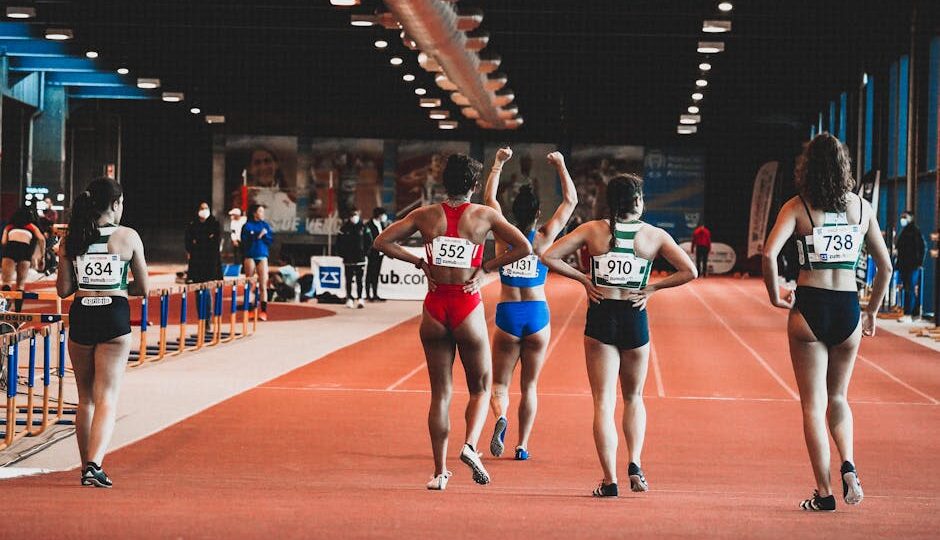
Women’s sports in 2026 have reached heights that many would have considered unimaginable just a decade ago. The landscape is more dynamic and competitive, offering female athletes platforms that consistently challenge the traditional norms of sportsmanship and athleticism. This evolution has been fueled by a multitude of factors, from enhanced visibility to groundbreaking rule changes, pushing boundaries and setting new standards.
The Rise of Global Competitions
One of the most significant shifts in recent years has been the rise of global competitions dedicated exclusively to women’s sports. Events like the Women’s World Cup in soccer, held in Australia and New Zealand in 2023, set the tone for increased visibility and investment. The tournament attracted over 2 billion viewers worldwide, setting a precedent for subsequent competitions. Fast forward three years, and the 2026 Women’s World Cup in Mexico has seen even higher participation and viewership, with 32 teams competing—a testament to the sport’s growing international appeal.
Similarly, the Women’s Cricket World Cup has expanded its reach. In 2026, hosted by India, it featured 12 teams and drew a multinational audience, highlighting the increasing interest in women’s cricket. Such events not only provide female athletes with the opportunity to shine but also inspire millions of young girls globally.
Breaking Stereotypes with Diverse Role Models
The face of women’s sports is more diverse than ever before, with athletes from various backgrounds becoming role models. In 2026, figures like Naomi Osaka continue to transcend tennis with her advocacy for mental health, while basketball star A’ja Wilson dominates the court, breaking records and challenging stereotypes about women in sports.
Beyond individual sports, entire teams have become symbols of empowerment. The U.S. Women’s National Soccer Team’s ongoing fight for equal pay has resulted in landmark legal victories, further cementing their status as trailblazers. These athletes do more than just win games; they inspire conversations about race, gender, and equality, pushing societal boundaries in ways that were once deemed impossible.
Technological Innovations and Training
Technology has played a pivotal role in transforming how athletes train and compete. In 2026, cutting-edge developments in sports science and analytics have made training more efficient and tailored. Wearable technology is now a staple, monitoring everything from heart rate to muscle strain, allowing athletes to optimize their performance and minimize injuries.
Virtual reality (VR) and augmented reality (AR) have revolutionized training regimes. For example, VR allows gymnasts to practice complex routines in a controlled, safe environment, while AR provides real-time feedback for sprinters on their form and pace. These innovations have not only enhanced performance but also democratized access to high-quality training, leveling the playing field for many female athletes worldwide.
Structural Changes and Investments
The structural changes within organizations and the increased investments in women’s sports have been significant. The English Women’s Super League (WSL), for example, has seen a 150% increase in sponsorship deals since 2023, providing clubs with the financial backing to enhance facilities and attract international talent.
This model of investment has been replicated across various sports. The Women’s National Basketball Association (WNBA) has instituted a new revenue-sharing model that has seen players receive a substantial increase in salaries and benefits, aligning more closely with their male counterparts. These changes are not just about money; they represent a shift towards recognizing women’s sports as a valuable and sustainable industry.
Challenges and Opportunities Ahead
Despite these advancements, challenges remain. Equal media coverage and continued investment are crucial for sustaining the momentum. While coverage has improved, disparities still exist. In 2026, women’s sports receive about 40% of the media coverage compared to men’s, a significant increase but still a gap that needs addressing.
The opportunities, however, are vast. With increasing participation at the grassroots level, supported by better infrastructure and pathways, the future is promising. Schools and community programs worldwide are actively encouraging girls to participate in sports, thus nurturing a new generation of athletes ready to redefine the limits of the game.
Practical Takeaway
As we reflect on the current state of women’s sports in 2026, it is clear that the evolution is not just about the athletes on the field. It’s about a broader cultural shift that acknowledges the capabilities and potential of women in sports. For fans, supporting women’s sports means advocating for more visibility, engaging with the content, and pushing for continued progress. As stakeholders in this ecosystem, we all have a part to play in ensuring that the journey continues upward.