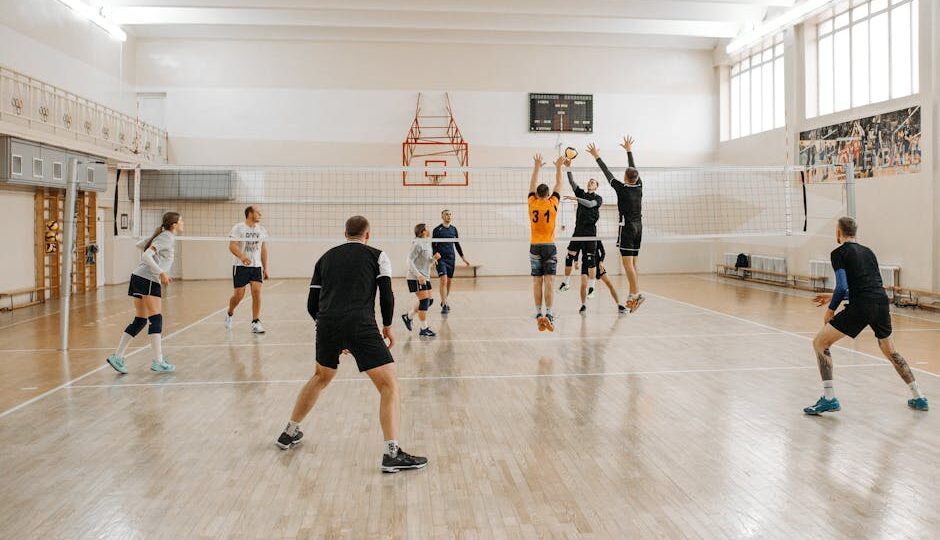
The Evolution of Mixed-Gender Teams
The year 2026 marks a pivotal moment in the sporting world, as mixed-gender teams are making a significant impact across various sports. While traditionally dominated by single-gender teams, sports such as soccer, basketball, and even rugby are now embracing the diversity and strategic advantages that mixed-gender teams bring to the table. The change is not just about inclusion but about enhancing the game itself, offering new challenges and dynamics that are as exciting for spectators as they are for players.
Success Stories: Teams Leading the Way
Let’s take a closer look at some of the pioneering teams that have embraced this trend and are setting new standards. The New York Guardians, a mixed-gender basketball team, have been trailblazers in integrating male and female athletes on the court. Their innovative playstyle has not only garnered attention but also led them to secure the Eastern Conference title last year. Similarly, the Sydney Breakers in rugby have shown that the physicality and tactical nuances of the sport can be enhanced with mixed-gender collaboration.
Challenges and Criticisms
Despite the positive momentum, mixed-gender teams face several challenges. Critics argue about the potential imbalance in physicality and skill level, with some questioning the fairness and safety of such arrangements. However, proponents advocate that these teams focus on complementary skills and strategic diversity rather than sheer physical dominance. Federations are working hard to ensure that the playing fields are balanced, with regulations in place to maintain fair competition.
Benefits Beyond the Game
Mixed-gender teams are not just about creating a fair and exciting game; they also have broader societal implications. By actively breaking down gender barriers, these teams promote equality and inclusivity, encouraging young athletes of all genders to pursue their dreams. The positive impact extends beyond the sports field, inspiring conversations about gender roles and equality in other sectors, proving that sports can indeed be a powerful catalyst for social change.
Practical Tips for Establishing a Mixed-Gender Team
- Focus on Complementary Skills: Rather than concentrating solely on traditional positions, consider the unique strengths of each player. This approach fosters a more cohesive and versatile team.
- Inclusive Training Practices: Ensure that training sessions are designed to cater to all athletes, offering opportunities for skill development regardless of gender. This builds trust and mutual respect among team members.
- Open Communication Channels: Encourage open dialogue among players and coaching staff to address concerns and foster a supportive team environment. Inclusion thrives in a culture of transparency.
The movement towards mixed-gender teams in 2026 is more than just a trend; it’s a reflection of how sports are evolving to be more inclusive and engaging. By embracing diversity, sports not only enhance their appeal but also set a powerful example for other sectors to follow. As mixed-gender teams continue to grow, they hold the promise of a more unified and exciting sporting future.