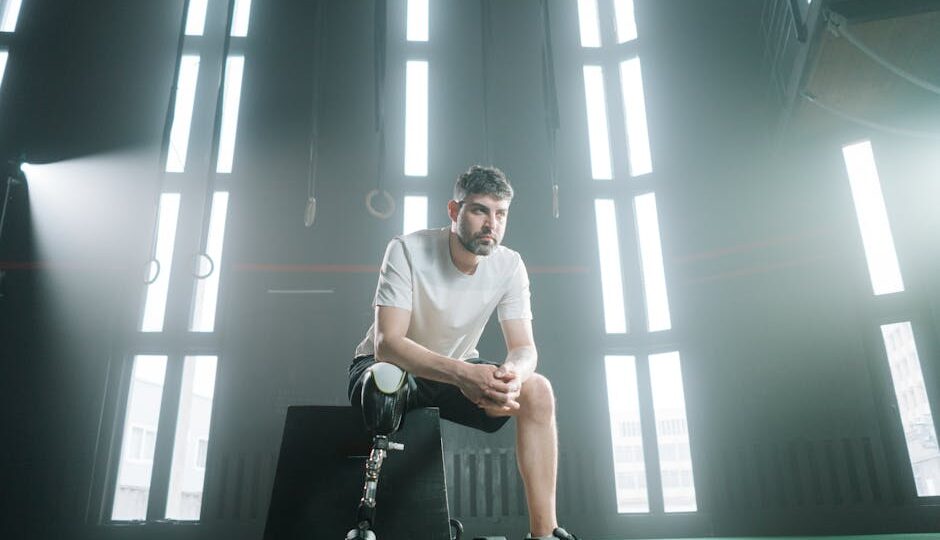
Why Mental Health in Sports Matters More Than You Think
It’s the adrenaline-rushing moment when an athlete stands on the brink of victory, the crowd roaring in anticipation. Yet, behind the triumphs and accolades, there’s a silent battle that many athletes face—mental health challenges. As we delve into the world of sports, we often overlook the mental strain that these athletes endure. Mental health has become an integral part of sports culture, warranting as much attention as physical fitness does.
The Pressure of Performance
Imagine the immense pressure that comes with being expected to perform at the highest level, consistently. Athletes, whether on the local soccer fields of Timbuktu or at global stages like the Olympics in Paris, experience a unique kind of stress. According to a study by the American Psychological Association, approximately 35% of elite athletes suffer from anxiety, depression, or eating disorders. This statistic is alarming, considering the stigma that still surrounds mental health discussions.
Take Simone Biles, for instance. During the 2021 Tokyo Olympics, Biles made headlines not only for her impeccable gymnastic feats but also for her decision to prioritize her mental well-being. Her courageous step to withdraw from certain events was a stark reminder that mental health is just as crucial as physical health.
Breaking the Stigma
The sports industry is witnessing a paradigm shift. Once perceived as a sign of weakness, acknowledging mental health struggles is now seen as a mark of strength and self-awareness. Athletes like Michael Phelps have openly discussed their battles with depression, shedding light on an issue that affects many yet is spoken about by so few.
In Phelps’ words, “For me, being able to talk about my struggles has helped me find peace.” His openness has inspired countless others to seek help and speak out. It emphasizes that mental health challenges do not discriminate; they affect Olympic gold medalists and recreational athletes alike.
Support Systems in Place
Major sports organizations are stepping up to address mental health. The NBA, for instance, launched a mental health and wellness program in 2023, providing athletes with access to mental health professionals. Similarly, the English Premier League now mandates mental health workshops for all its players, fostering a supportive environment.
The introduction of sports psychologists in teams has been another significant advancement. These professionals work closely with athletes, helping them manage stress, set realistic goals, and build resilience. This holistic approach to athlete well-being is paving the way for healthier, more sustainable careers in sports.
The Role of Coaches and Teammates
Coaches and teammates play pivotal roles in creating a supportive environment. A coach’s understanding of mental health can significantly impact an athlete’s performance. Encouraging open communication, fostering trust, and promoting a culture where mental well-being is prioritized can make a world of difference.
Teams are also recognizing the importance of camaraderie. Whether it’s a rugby team in New Zealand or a basketball squad in Chicago, fostering strong interpersonal relationships within the team can provide athletes with a sense of belonging and support, critical components in managing mental health.
The Power of Personal Stories
Stories have a profound impact on changing perceptions. When athletes share their mental health journeys, they not only help others feel less alone but also contribute to a cultural shift. Brandon Marshall, a former NFL star, has been an advocate for mental health awareness, using his platform to promote understanding and acceptance.
Marshall’s initiative, Project 375, aims to “eradicate the stigma surrounding mental health” by raising awareness and providing support. Such initiatives are instrumental in fostering a community where mental well-being is prioritized, not sidelined.
Practical Takeaway: Prioritizing Mental Health
The sports world is slowly but surely recognizing the importance of mental health. As spectators, coaches, teammates, or even athletes ourselves, we must push for environments that prioritize mental well-being. Encourage open conversations, support mental health initiatives, and understand that mental fitness is as important as physical prowess.
As we cheer for our favorite teams and celebrate their victories, let’s also champion their mental health. After all, a healthy mind is the foundation of true athletic greatness.