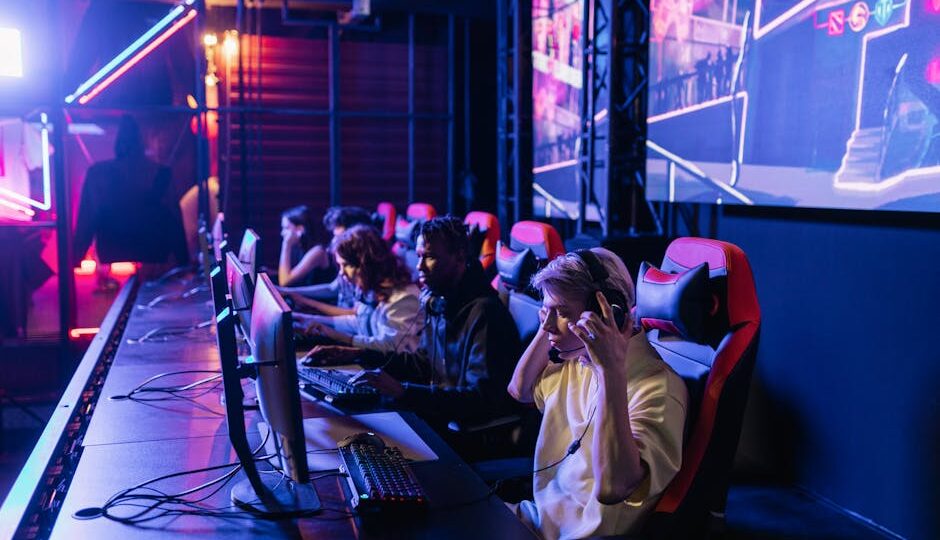
A Complete Guide to Understanding Esports in 2026
Esports has transformed from a niche pastime into a global phenomenon over the last few decades. By 2026, it stands as a pillar of modern entertainment, rivaling traditional sports in viewership and engagement. Whether you’re a seasoned gamer or a newcomer to the scene, understanding the dynamics of esports today reveals a vibrant and complex world.
The Growth of Esports: Numbers and Trends
The esports industry is booming, with revenues projected to hit $3 billion in 2026. This meteoric rise is fueled by expanding audiences and increased investments from major brands. Viewership is set to surpass 800 million globally, driven by the popularity of games like “League of Legends,” “Fortnite,” and “Valorant.” Competitive gaming has become a staple in entertainment, broadcast on platforms like YouTube Gaming and Twitch, with millions tuning in for major tournaments.
China and South Korea continue to dominate the esports landscape, both in terms of player talent and viewership. Meanwhile, regions such as North America and Europe are closing the gap, with cities like Los Angeles and Berlin hosting iconic tournaments. The growth is not just limited to these regions, as emerging markets in Southeast Asia and Latin America show tremendous potential.
The Diverse Ecosystem of Esports Games
Esports is not a monolithic entity; it encompasses a wide variety of games, each with its own unique appeal and competitive scene. Multiplayer Online Battle Arenas (MOBAs) like “Dota 2” and “League of Legends” are known for their strategic depth and teamwork. First-person shooters (FPS) such as “Counter-Strike: Global Offensive” and “Valorant” thrill with their fast-paced action and tactical gameplay.
In addition to these, battle royale games like “Fortnite” and “PUBG” offer a mix of survival and chaos, attracting both casual and hardcore gamers. Sports and racing games, such as “FIFA” and “Rocket League,” bring a different flavor to the esports spectrum, blending traditional sports with virtual competition.
The Role of Technology in Esports
Technological advancements have been crucial in shaping esports into what it is today. High-speed internet and powerful gaming hardware enable seamless play and streaming. Virtual Reality (VR) and Augmented Reality (AR) are beginning to make their mark, offering immersive experiences that could redefine how fans engage with esports.
Moreover, Artificial Intelligence (AI) is helping players refine their skills. AI-driven analytics provide insights into gameplay strategies, while AI opponents offer challenging practice scenarios. The integration of AI into esports is not just limited to gameplay; it extends to audience engagement, with AI tools enhancing live broadcasts through real-time statistics and interactive features.
The Esports Athlete: Training and Lifestyle
Being an esports athlete in 2026 demands more than just gaming skills. Similar to traditional sports, esports players follow rigorous training regimens, often including physical fitness and mental conditioning. Teams employ coaches, analysts, and psychologists to ensure peak performance.
Esports athletes are celebrities in their own right, with millions of social media followers and lucrative sponsorship deals. Despite their young age, these players face pressure to maintain a competitive edge in a rapidly evolving environment. As with any sport, the balance between gaming, health, and personal life is crucial.
Esports and Its Cultural Impact
The influence of esports extends beyond gaming, permeating various aspects of culture. Esports events are not just competitions; they are social gatherings where fans connect and celebrate shared interests. This communal aspect is seen in events like “The International” and the “League of Legends World Championship,” which offer spectacles akin to the Super Bowl or the World Cup.
Furthermore, esports has sparked discussions on issues like diversity and inclusion. The community continues to strive for greater representation among players and fans, emphasizing the importance of creating a welcoming environment for all.
Finally, esports has become a viable career path, with universities offering scholarships and degrees focused on gaming and esports management. This academic acknowledgment further cements esports’ place in society.
Practical Takeaway: Embracing the rapidly evolving world of esports offers numerous opportunities for fans, players, and businesses alike. Whether you’re interested in the competitive scene, the technology, or the cultural impact, there’s a place for you in this dynamic industry. Stay curious, stay engaged, and become part of a community that shows no signs of slowing down.