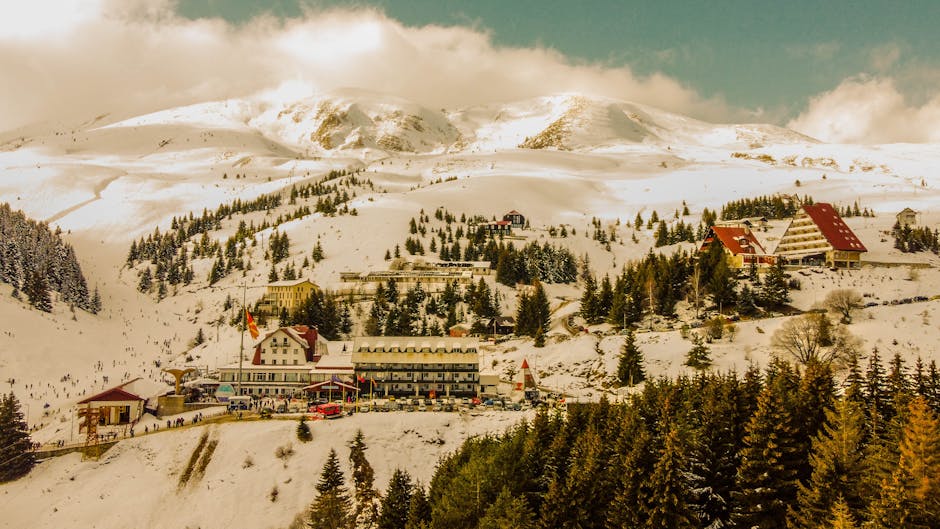
Understanding the Impact of Climate Change on Winter Sports
Climate change is a pressing issue that has sent ripples through various sectors, and the world of winter sports is no exception. The thrill of gliding down snowy slopes, the excitement of watching athletes perform breathtaking stunts in icy arenas, and the tranquility of a winter hike through a snow-covered forest are all experiences that are being affected. As temperatures rise and snowfalls become unpredictable, winter sports enthusiasts and professional athletes alike are finding themselves in a precarious position.
The Shrinking Winter Wonderland
Recent studies have shown that the global average temperature has risen by approximately 1.5°C since the late 19th century. This increase has had a profound impact on snow-covered regions across the globe. For example, in the European Alps, traditionally a winter sports haven, the ski season has shortened by weeks over the past few decades. Resorts at lower altitudes, such as those in the French Alps, are particularly vulnerable, often relying heavily on artificial snow, which is both costly and environmentally taxing.
North America is facing similar challenges. Take Whistler Blackcomb in Canada, a premier destination for winter sports. The resort has been investing heavily in snowmaking technologies to compensate for the declining natural snowfall. However, experts warn that such measures may not be sustainable in the long run if the warming trend continues.
Impact on Professional Sports
The professional winter sports arena is feeling the heat too. Events like the Winter Olympics and the World Cup of Skiing are now grappling with unpredictable weather patterns. For instance, the 2022 Winter Olympics in Beijing faced a barrage of criticism due to its reliance on artificial snow, casting a shadow on the sustainability of hosting such large-scale events in a warming world.
Moreover, athletes are finding it increasingly challenging to train consistently. Snowboarder Chloe Kim, for example, noted in an interview in 2025 that her training in Southern California had become erratic because of sporadic snowfalls. Such inconsistencies not only affect athletes’ performance but also their mental preparation, adding an extra layer of difficulty in an already demanding sport.
Economic Ramifications
The economic implications of climate change on winter sports are significant. The winter sports industry contributes billions to the global economy, with ski resorts alone generating approximately $20 billion annually. As snowfall becomes less predictable, resorts may face dwindling visitor numbers and, consequently, reduced revenues. Small towns, often heavily reliant on winter tourism, could see adverse economic impacts, potentially leading to job losses and community downturns.
In response, some regions are diversifying their offerings. For instance, Vail Resorts in the U.S. has been investing in summer activities to attract tourists year-round, from mountain biking to hiking and zip-lining. This strategic pivot not only helps mitigate financial risks but also supports the local economy by providing year-round employment opportunities.
Environmental Considerations
Winter sports are intrinsically linked to the environment, and as such, the industry is under increasing pressure to address its carbon footprint. Snow-making, for instance, requires significant water and energy resources. In a warming world, where both are becoming scarcer, the question arises: how can winter sports adapt sustainably?
To tackle this, the International Ski Federation has been advocating for greener practices, encouraging the use of renewable energy and more efficient snowmaking technologies. Some resorts have also taken initiatives to minimize their environmental impact, such as Austria’s SkiWelt, which has committed to becoming carbon-neutral by 2030.
Embracing Change for a Sustainable Future
While the challenges are daunting, the winter sports community is not without hope. There is a growing recognition that adapting to climate change will require innovation, collaboration, and a commitment to sustainability. Promising solutions are emerging, such as developing new snow sports that require less snow, or investing in technology that enhances snow preservation.
Moreover, consumers can play a pivotal role by supporting environmentally-conscious resorts and advocating for policies that protect snow environments. Educating enthusiasts about the importance of sustainability in winter sports can also drive change, fostering a culture that values and protects our natural winter playgrounds.
As we look forward, it is clear that the face of winter sports is evolving. By embracing sustainable practices and adapting to changing climates, the winter sports industry can continue to thrive, ensuring that future generations can experience the joy and excitement of these beloved activities.
Practical Takeaway: Enthusiasts and professionals should support and demand sustainable practices within the winter sports industry to help preserve the natural environments they cherish. By choosing eco-friendly resorts and advocating for climate-conscious policies, we can all contribute to a sustainable future for winter sports.