How to Choose the Right Sport for Your Child in 2026
Choosing the right sport for your child is a decision that can shape their physical health, social development, and even academic success. With the landscape of youth sports evolving rapidly, 2026 presents new opportunities and considerations for parents. Here’s a guide to help you navigate this important choice.
Understanding Your Child’s Interests and Temperament
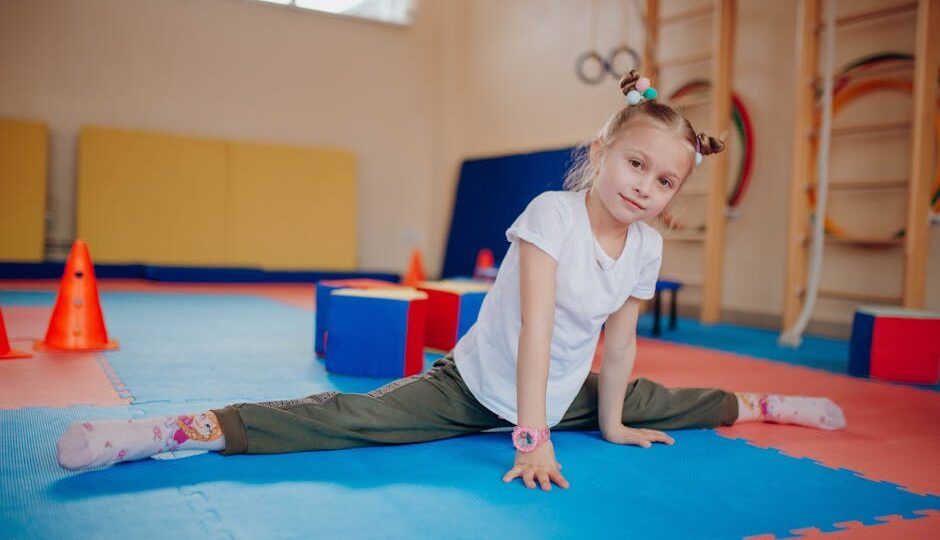
The first step in selecting a sport is understanding your child’s unique interests and temperament. If your child is naturally active and enjoys socializing, team sports like soccer or basketball might be a great fit. In contrast, if they are more introspective or enjoy focused solitary activities, they might gravitate towards individual sports like swimming or gymnastics.
According to a 2025 survey by Youth Sports Trust, 64% of children are more engaged in sports when they have a say in choosing their activity. Encourage your child to explore different sports through taster sessions or camps offered in places like Central Park in New York or Griffith Park in Los Angeles.
Evaluating Physical Abilities and Health
Understanding your child’s physical capabilities is crucial. Consult with a pediatrician to ensure they’re physically ready for the demands of a chosen sport. For instance, sports like rugby or football may require a certain level of physical maturity and strength, whereas sports like golf or archery are less physically demanding but require precision and focus.
In 2026, the American Academy of Pediatrics emphasizes the importance of matching the sport with the child’s development stage to prevent injuries and enhance enjoyment.
Considering the Time and Financial Commitment
Sports can be a significant investment of both time and money. Take into account the cost of equipment, uniforms, and travel. For example, sports like ice hockey or equestrian can be more expensive compared to track and field. Additionally, the time commitment varies; while a local baseball league might have weekly games, competitive swimming may require daily practice sessions.
It’s essential to balance your child’s sporting commitments with their academic responsibilities and family time. Research from 2026 indicates that children who overcommit to sports often experience burnout, so finding a healthy balance is key.
Exploring the Social and Emotional Benefits
Sports are not just about physical activity; they also offer social and emotional benefits. Team sports can teach children valuable lessons about teamwork, leadership, and communication. On the other hand, individual sports can foster self-discipline and resilience.
In cities like Chicago and Seattle, community sports programs have noted a 20% increase in participation due to the social connections and friendships they foster among children. It’s these connections that often keep children engaged and passionate about their sport.
Respecting Your Child’s Decision and Encouraging Flexibility
It’s important to allow your child the flexibility to change their mind. Interests change as children grow, and what excites them at age 8 may not be the same at age 12. Encourage them to try different sports until they find one that truly captivates them.
In 2026, many schools and clubs in the UK and Australia are promoting multi-sport participation to prevent burnout and develop well-rounded athletes. This approach enables children to build diverse skills and identify what they truly love.
Practical Takeaway
The journey to choosing the right sport for your child is one of discovery and growth. It’s about finding a balance between their interests, physical abilities, and your resources. Encourage them to explore, support their choices, and be open to change. Remember, the right sport is one that brings joy, camaraderie, and personal growth to your child’s life.