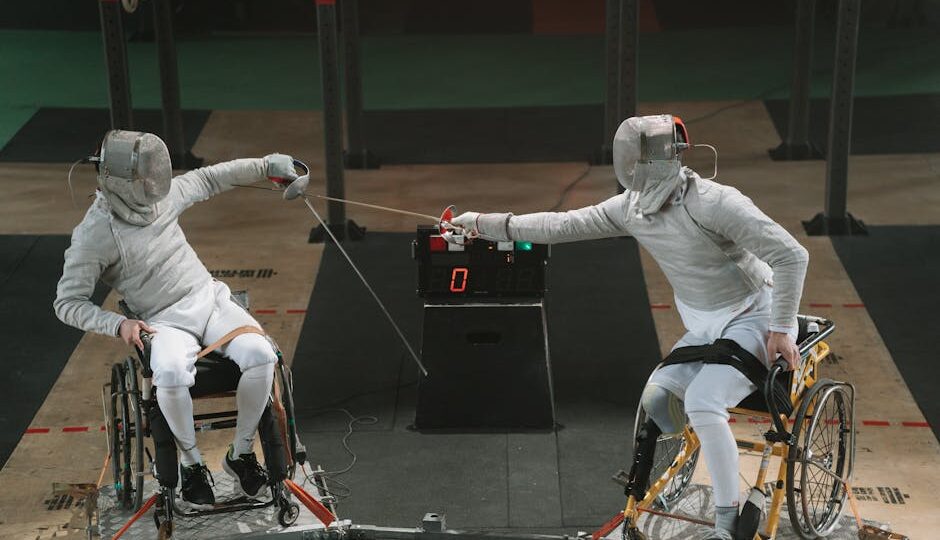
The Roots of Adaptive Sports
The story of adaptive sports is one of resilience, determination, and innovation. It began in the aftermath of World War II, a time when the world was reeling from the devastation of conflict. Soldiers returning home with disabilities sparked a newfound awareness and need for inclusive recreational activities. The earliest recorded adaptive sporting event was the Stoke Mandeville Games, organized by Dr. Ludwig Guttmann in 1948 in Great Britain. These games were a precursor to what would eventually become the Paralympic Games. They set a precedent, illustrating that sports could be a powerful tool for rehabilitation and empowerment.
Evolution Into the Paralympic Movement
The transformation from small-scale events like the Stoke Mandeville Games to the global phenomenon that is the Paralympics showcases the significant progress made over the decades. By 1960, the first official Paralympic Games were held in Rome, with 400 athletes from 23 countries. Fast forward to the 2024 Paris Paralympics, the event featured over 4,400 athletes from 162 nations, competing in 22 sports. This evolution mirrors broader societal changes, with increasing visibility and support for athletes with disabilities.
Technological Innovations and Their Impact
The role of technology in adaptive sports is nothing short of revolutionary. Advances in prosthetics, wheelchairs, and other assistive devices have dramatically changed the playing field. Modern prosthetics, for example, are not just about functionality but are designed to enhance performance. The Flex-Foot Cheetah, created by Össur, is one such example, enabling athletes like Oscar Pistorius and Markus Rehm to compete at the highest levels. Similarly, innovations in wheelchair design have made sports like basketball and racing more competitive and thrilling to watch.
Adaptive Sports in the Community
While international competitions like the Paralympics garner significant attention, grassroots adaptive sports programs play an equally crucial role. Organizations such as the Challenged Athletes Foundation and Disabled Sports USA have been instrumental in promoting inclusivity at the community level. These programs provide not only the opportunity to participate in sports but also foster a sense of community and belonging. In cities like San Diego and Denver, adaptive sports clinics are regularly held, encouraging participation across all age groups and skill levels.
Challenges and Future Directions
Despite the strides made, challenges remain. Funding and accessibility are perennial issues, with many aspiring athletes unable to afford specialized equipment or training. Moreover, the representation of athletes with disabilities in media and commercial sponsorships still lags behind. However, efforts are underway to address these gaps. Initiatives like the “WeThe15” campaign aim to raise awareness and promote inclusivity, targeting 15% of the global population that has a disability.
Practical Takeaway: Embrace Inclusivity
The journey of adaptive sports is a testament to human ingenuity and spirit. It reminds us of the importance of inclusivity in all areas of life. Whether it’s supporting local adaptive sports programs, advocating for better accessibility, or simply cheering on athletes during competitions, there are numerous ways to contribute. By embracing diversity, we not only enrich the sporting world but also our communities at large.