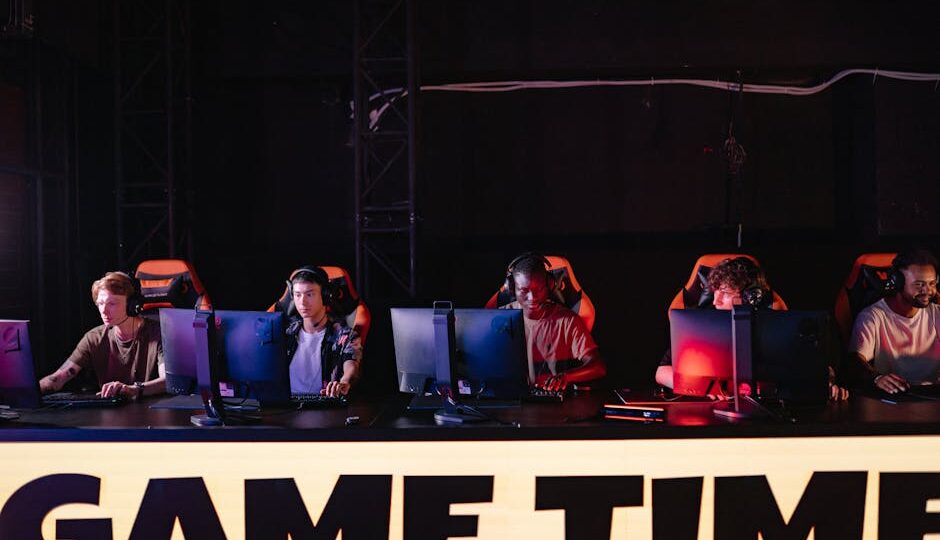
The Rise of Esports Arenas
In 2026, esports aren’t just confined to the glow of computer screens in dimly lit rooms. Instead, they’re taking center stage in arenas that rival traditional sports stadiums. The recent opening of the ‘Pixel Dome’ in Los Angeles marks a significant milestone. With a seating capacity of 15,000, it hosts everything from local tournaments to international championships. These arenas are equipped with state-of-the-art technology, including 8K resolution screens and real-time data analytics displays, creating an immersive experience for both players and fans.
Esports arenas are cropping up in major cities worldwide, from the ‘Arena Clash’ in Seoul to the ‘Gamer’s Hub’ in Berlin. These venues represent a fusion of digital and physical spaces, attracting fans who seek the thrill of a live event coupled with the interactivity of a digital experience. Interestingly, ticket sales for these events often sell out faster than those for traditional sports, highlighting the massive and growing appeal of esports.
The Cross-Pollination of Athletes
Esports in 2026 isn’t an isolated domain; it’s increasingly intersecting with traditional sports. Athletes from the NBA, NFL, and even the Premier League are investing in esports teams. Some, like LeBron James Jr., have gone beyond investment, taking on roles as players or coaches. This cross-pollination enriches the esports ecosystem, introducing strategic elements and athletic training regimens borrowed from traditional sports. It also brings a new level of discipline and physical fitness to esports athletes, who are now incorporating regular workout regimes to enhance their gaming performance.
Traditional sports organizations are also forming their own esports wings, such as the New York Yankees’ esports division, which recently won the Overwatch League championship. This trend showcases how traditional sports institutions are recognizing and capitalizing on the massive potential that esports holds.
Educational Institutions Embrace Esports
Educational institutions have not lagged behind. Universities across the United States, Europe, and Asia are offering esports scholarships to attract top talent. Stanford University recently unveiled its ‘E-Athlete Program’, a scholarship initiative that not only focuses on competitive gaming skills but also emphasizes studies in game design, marketing, and technology.
The inclusion of esports in academic programs is reshaping perceptions. It’s not just an extracurricular activity anymore; it’s a legitimate career path with courses in sports management, psychology, and broadcasting. These programs are equipping students with a diverse skill set that’s applicable both within and outside the gaming industry. Many graduates are moving on to lucrative careers in game development, team management, and media production.
The Global Impact of Esports
The global impact of esports in 2026 is profound, with its reach extending far beyond the arenas and universities. Governments in countries like China and South Korea are now officially recognizing esports as a professional sport, offering support to athletes and organizers. In China, for instance, esports has contributed over $14 billion to the economy this year alone.
Moreover, esports is fostering international cooperation and cultural exchange. Events like the Esports World Cup in Paris bring together players from over 60 countries, creating a melting pot of cultures and ideas. These tournaments are more than just competitions; they’re platforms for diplomacy and cultural understanding in an increasingly interconnected world.
Challenges Ahead: Regulation and Health
Despite its rapid growth, the esports industry faces challenges. Regulation is a hot topic, as the absence of standardized rules across different leagues and games can lead to discrepancies and disputes. Organizers are calling for a universal esports governing body to oversee regulations and ensure fair play.
Health concerns also linger. The sedentary lifestyle associated with gaming has been linked to various health issues, from obesity to repetitive strain injuries. In response, there’s a growing emphasis on mental and physical health, with teams hiring psychologists and fitness trainers to support their athletes. Initiatives like the ‘Healthy Gamer’ program aim to balance gaming with well-being, emphasizing the importance of regular exercise and mental health care.
Despite these challenges, the future of esports is bright and promising. Its ability to innovate and adapt positions it well in the global sports landscape. As traditional and digital realms continue to intertwine, esports is not just a game; it’s a cultural phenomenon reshaping entertainment, business, and society.
Practical Takeaway: Embracing the New Era
Whether you’re an avid esports enthusiast or someone new to the scene, there’s no denying the significant impact esports is making globally. For those looking to get involved, understanding the multifaceted nature of this industry—from business opportunities to cultural exchanges—can open up a world of possibilities. As esports continues to evolve, so too should our approach, embracing its complexities and opportunities for innovation.