7 Fitness Trends Athletes Are Following in 2026
The landscape of athletic training is always evolving, responding to new research, technological advancements, and changing societal values. As we find ourselves in 2026, several exciting fitness trends are shaping the way athletes train, recover, and compete. These trends are not just fleeting fads; they are grounded in science and have been embraced by athletes worldwide, from amateur enthusiasts to professional competitors.
1. Personalized Nutrition Plans with AI
Artificial Intelligence has become a game-changer in the realm of personalized nutrition. Athletes are no longer relying solely on generic dietary advice. Instead, AI analyzes individual data — including genetic makeup, metabolic rates, and activity levels — to create bespoke nutrition plans. Companies like Nutrigenix and BiteWise have developed apps that sync with wearable devices to track real-time nutrient consumption, ensuring athletes receive exactly what they need, when they need it.
This personalization is helping athletes optimize performance, enhance recovery, and prevent injuries. Olympic marathon runner Ayana Kipchoge, for instance, credits her recent personal best to an AI-driven diet plan that adjusted her carbohydrate intake on race day for optimal energy utilization.
2. Virtual Reality Training
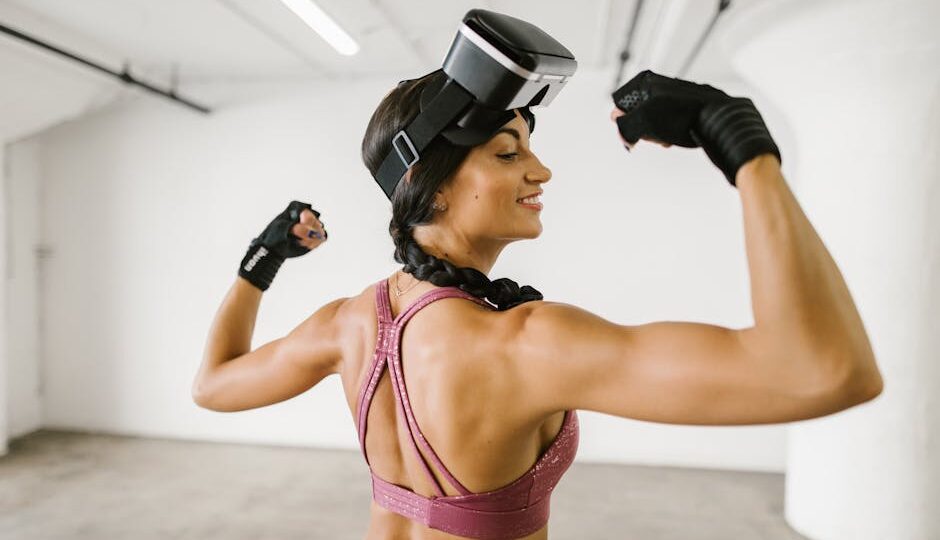
Virtual reality (VR) has stepped into the athletic training arena, providing athletes with immersive training environments that mimic real-world scenarios. VR is now used for everything from perfecting golf swings in a simulated Augusta National to soccer drills that replicate high-pressure penalty shootouts.
VR training not only enhances physical skills but also boosts psychological preparedness, allowing athletes to mentally rehearse and develop strategic thinking. The VR company UpYourGame has partnered with several NBA teams, including the Golden State Warriors, to incorporate VR into their training regimens, helping players visualize and execute plays more effectively.
3. Biophilic Workout Spaces
Biophilic design has made its way into fitness centers worldwide, integrating natural elements into workout spaces. From lush greenery and natural light to earthy materials, these spaces are crafted to enhance mental well-being and reduce stress levels.
Athletes are increasingly opting for these serene environments for their training sessions. The CalmFit Gym in Seattle, with its indoor waterfall and living plant walls, has become a popular retreat for athletes looking to connect with nature while engaging in intense workouts. Research has shown that such environments can improve focus and productivity, making training more effective.
4. Recovery Pods
Fast recovery is crucial for athletes, and the advent of recovery pods has revolutionized post-exercise rejuvenation. These high-tech pods utilize a combination of cryotherapy, infrared saunas, and compression therapy to accelerate recovery times.
Athletes like Serena Williams have incorporated recovery pod sessions into their daily routines, reporting reduced muscle soreness and improved sleep quality. Facilities like Recovery Realm in New York City offer state-of-the-art pods that cater to athletes’ needs, making them a staple in modern recovery practices.
5. Wearable Tech Beyond Tracking
Wearable technology has evolved beyond simple fitness tracking to become an integral part of athletic training programs. Devices now offer real-time feedback on form, technique, and even biomechanics.
Brands like Athos have developed smart clothing that provides detailed insights into muscle group activity during workouts. This information allows athletes to adjust their form on the fly, potentially reducing the risk of injury and optimizing performance. Tennis star Naomi Osaka uses smart wearables during practice to refine her serve and improve overall efficiency.
6. Mindfulness and Mental Fitness
Mental fitness has gained prominence, with athletes acknowledging its critical role in overall performance. Meditation, mindfulness, and cognitive training are now regular components of training regimens.
Athletes are engaging with apps like Headspace for Athletes, which offer tailored programs to improve focus, mental resilience, and stress management. The increased focus on mental fitness reflects a broader understanding that peak performance is as much about mental strength as it is about physical prowess.
7. Eco-Conscious Fitness Equipment
Sustainability has become a priority, and the fitness industry is responding with eco-friendly equipment. From treadmills that generate energy with use to yoga mats made from recycled materials, athletes are choosing products that reflect their environmental values.
Companies like GreenGym Equipments are at the forefront, producing gear that minimizes carbon footprint. This trend is not only about protecting the planet but also aligns with the holistic approach to health and wellness that athletes adopt.
These trends illustrate the dynamic nature of the fitness world in 2026. Athletes are embracing innovation and sustainability, enhancing their performance while supporting their mental and physical well-being. Whether it’s integrating cutting-edge technology or choosing eco-friendly products, the focus is on a comprehensive approach to fitness.
For those looking to stay competitive, adopting these trends could provide the edge needed to excel in their athletic pursuits.