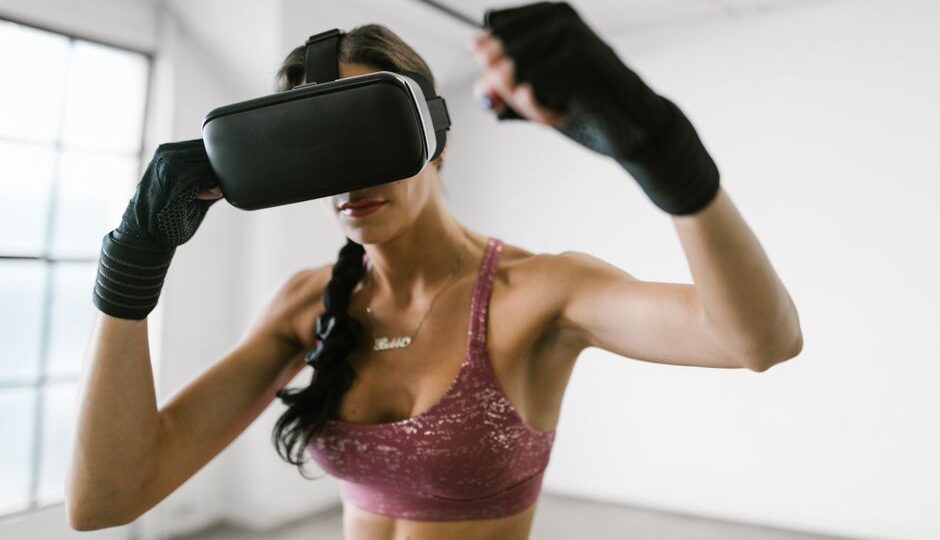
The Rise of Virtual Reality in Football Training
Virtual reality (VR) is no longer just a futuristic concept; it’s a powerful tool reshaping how American football players train and prepare for games. As of 2026, VR technology has become an integral part of many football team’s training regimens, from high school teams to the NFL. It’s a game-changer that provides players with the opportunity to engage in realistic scenarios without the physical wear and tear.
Teams like the Seattle Seahawks and the New England Patriots are leading the charge, integrating VR sessions into their daily practice routines. The technology allows players to immerse themselves in the game environment, enhancing decision-making skills, and improving situational awareness without the risk of injury.
Enhancing Player Performance with Immersive Simulations
One of the standout benefits of VR training is its ability to create immersive simulations that mimic real game conditions. Players can practice reading defenses, making split-second decisions, and perfecting plays in a controlled virtual environment. This has been particularly beneficial for quarterbacks who can practice their reads and reactions from the comfort of a virtual field.
Consider the University of Alabama’s football program, where VR simulations have helped their quarterbacks improve completion rates by an impressive 15% over the last season. These simulations are detailed, accounting for various defensive schemes and environmental conditions like rain or snow, which players might face during actual games.
Reducing Physical Strain and Expanding Practice Opportunities
Football, known for its physical intensity, often leaves players prone to injuries. This is where VR steps in by reducing the need for full-contact practices. Teams can simulate plays and full-speed drills virtually, providing players with mental reps that translate effectively onto the field.
High school teams, especially those with limited resources, are finding VR to be a cost-effective method to extend their practice sessions without the need for additional physical practice time. A study by the Sports Science Institute in 2026 found that teams using VR saw a 20% reduction in practice-related injuries.
Coaching Revolution: A New Perspective on Game Strategy
Coaches have always looked for ways to gain a competitive edge, and VR is proving to be a vital asset. It offers coaches the ability to analyze plays from various angles and perspectives, providing deeper insights into player performance and strategy execution.
This technology enables coaches to preemptively address weaknesses in their game plans. For instance, the Dallas Cowboys staff have been using VR to experiment with different offensive strategies against opponents, allowing them to test outcomes before stepping onto the field.
Fan Engagement: VR Beyond Training
Interestingly, VR is not only revolutionizing training but also enhancing fan engagement. Teams are offering VR experiences that allow fans to relive historical moments in their franchise’s history or experience the view from the quarterback’s helmet during a game-winning drive. These fan experiences are becoming popular, adding a new dimension to how fans interact with the sport.
The Atlanta Falcons, for instance, have launched a VR experience that lets fans feel as though they are on the field during crucial plays, deepening their connection to the team and enhancing the overall fan experience.
The integration of VR into American football is not just a passing trend; it’s an evolution in how the game is played, coached, and experienced both on and off the field. As technology continues to advance, the possibilities for its application in sports seem limitless. Embracing these advancements could be the difference between winning or losing in the competitive world of football.
Practical Takeaway
For teams looking to gain an edge, investing in virtual reality technology could be a significant step forward. It’s not just about having the latest technology but understanding how to tailor it to meet your team’s specific needs. Whether it’s reducing injuries, enhancing cognitive skills, or engaging supporters, VR has proven its worth as a multifaceted tool in 2026.