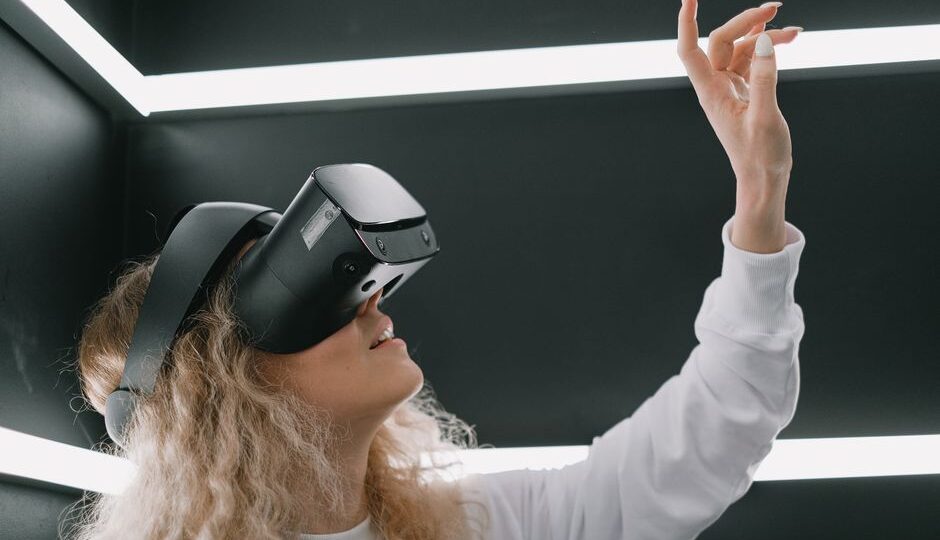
Welcome to the Future: AR in Sports
In 2026, augmented reality (AR) is not just a buzzword. It’s a fully integrated component of the sports experience, reshaping how fans interact with their favorite teams, athletes, and live events. Gone are the days when simply attending a game or watching it on television was enough. Today, AR offers fans a chance to immerse themselves in the action, enhancing the thrill and emotional engagement like never before.
Enhanced Game-Day Experience
Imagine stepping into a stadium and seeing more than just the physical world around you. Fans now use AR apps on their smartphones or AR glasses to access real-time stats, player profiles, and even virtual replays as the game unfolds. For instance, at the newly renovated Madison Square Garden, fans can point their devices at the court to see player heatmaps or video highlights from the game.
Beyond the statistics, AR creates interactive fan zones within stadiums. At venues like Wembley Stadium, these zones offer augmented reality games and challenges, allowing fans to pit their sports knowledge against one another, with rewards such as exclusive merchandise or VIP experiences at stake. It’s a gamified world, merging physical presence with digital engagement.
Remote Viewing: A Whole New Ballgame
For those watching from home, AR has revolutionized remote viewing. Take, for example, the FIFA World Cup 2026 experience. Fans worldwide have the option to bring the stadium atmosphere into their living rooms. Using AR, viewers can project a 3D model of the pitch onto their coffee tables, giving them the impression of watching the game from the stands.
Moreover, broadcasters like ESPN are offering AR-driven commentary and analysis. This allows viewers to customize their viewing experience, selecting which stats to display or which player to focus on, creating a personalized and interactive viewing experience.
Player-Fan Interaction: Beyond the Field
AR is also bridging the gap between fans and their favorite athletes. Platforms like FanConnect are leveraging AR to offer virtual meet-and-greets, where fans can chat with holographic projections of players who appear right in their living room.
Sports teams are utilizing AR for fan outreach beyond the game. The Golden State Warriors, for instance, have launched an AR app feature where fans can take virtual reality tours of their training facilities, guided by a hologram of Stephen Curry. This level of access was unimaginable just a few years ago and is deepening the connection between teams and their supporters.
Sponsorship and Advertising: The AR Frontier
AR is reshaping how advertising and sponsorship are approached in sports. Traditional billboard ads in stadiums are now being replaced by dynamic AR advertisements. Companies like Nike are pioneering this trend, offering location-based AR experiences that encourage fans to interact with their brand in innovative ways.
For instance, during the Super Bowl 2026, Nike introduced an AR scavenger hunt within the stadium and surrounding areas. Fans who participated could unlock exclusive content and discounts, turning an advertisement into an engaging, interactive experience.
The Challenges and Future Prospects
While the integration of AR in sports is exciting, it comes with its challenges. Ensuring that AR experiences are seamless and do not detract from the live event is crucial. Security and privacy concerns are also at the forefront, as teams and companies gather data to enhance AR experiences.
Looking ahead, the potential of AR in sports is immense. As technology advances, we might see augmented reality arenas, where fans from across the globe can gather in a virtual stadium to watch a live game. The boundaries are continually expanding, promising a future where fans can engage with sports on an entirely new level.
Embrace the Augmented Revolution
As AR continues to transform the fan experience, sports enthusiasts should embrace these innovations as they redefine what it means to be a fan. Whether attending a live event or watching from home, augmented reality offers a richer, more interactive way to enjoy sports. The future of fan engagement is here, and it’s augmented.