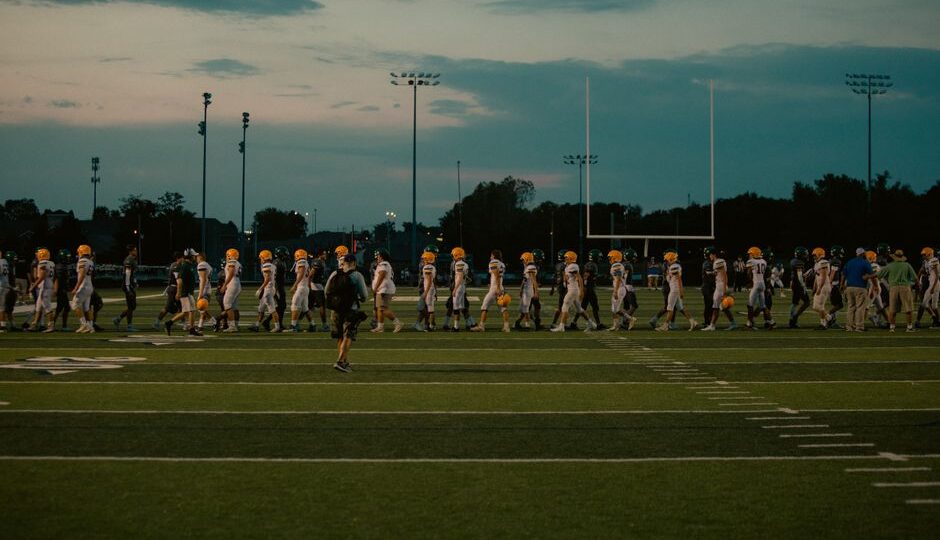
The Grassroots of American Football
Every Friday night, stadium lights ignite across small towns and big cities alike, casting a golden glow over fields where young athletes dream big. High school football has always been more than just a game in the United States—it’s a community event, a rite of passage, and for many, a stepping stone to greatness. In 2026, this tradition is evolving in exciting ways, fostering not just future professional athletes but well-rounded individuals.
With a renewed focus on player development, education, and health, high school programs are becoming breeding grounds for the next generation of NFL stars. They’re also emphasizing the crucial role of sportsmanship and leadership, preparing young players for life beyond the field.
The Shift Towards Holistic Development
The push for a more comprehensive approach to athlete development in high school programs isn’t just about preparing students for college or professional play. It’s about creating environments where students can thrive personally and academically. Coaches are now doubling as mentors, guiding students not just in drills and plays but also in life skills and academic pursuits.
Take the Allen High School in Texas, where the football program has implemented a robust mentoring initiative. Here, players are paired with former students and local business leaders, gaining insights that help shape their futures both on and off the field. This kind of support system is invaluable, fostering a sense of responsibility and community engagement.
Embracing Technological Advancements
Technology is revolutionizing how high school teams prepare and compete. From virtual reality training sessions to AI-driven performance analytics, the tools at coaches’ and players’ disposal are more advanced than ever.
For instance, Bishop Gorman High School in Nevada has integrated VR headsets into their training regime. Players can now practice playbooks or simulate game situations from anywhere, enhancing their spatial awareness and decision-making skills. These innovations not only sharpen their skills on the field but also prepare them for the tech-savvy world of modern sports.
Health and Safety: The New Priority
Amidst growing concerns about player safety, particularly regarding concussions and long-term health, schools are adopting more rigorous safety protocols. The use of advanced helmet technology and real-time health monitoring systems is becoming standard practice.
High schools like Mater Dei in California are at the forefront, employing impact-tracking helmets that provide data on every hit a player takes. This data helps medical teams assess the immediate need for care and develop long-term strategies to minimize injury risks.
Furthermore, mandatory training sessions on concussion awareness and recovery practices are now part of the curriculum, ensuring that every player understands the importance of health over heroics.
Nurturing Future Leaders
Football is about more than physical prowess; it’s about leadership, teamwork, and resilience. High school programs are keenly aware of this, embedding leadership training into their curriculum.
Programs like Leadership Through Athletics, a national initiative, are being adopted by schools to teach players the value of leading by example. This involves confidence-building workshops, public speaking exercises, and community service requirements that aim to produce not just athletes, but leaders.
An exemplary model is found at Saint Thomas Aquinas in Florida, where the football team hosts an annual leadership camp for middle school athletes, fostering a culture of mentorship and responsibility that echoes through the community.
Creating Pathways to Professionalism
The ultimate dream for many high school athletes is to play professionally. While only a small percentage make it to the NFL, high schools are now better equipped to guide talented players through the ranks of college football and beyond.
With scouts from college and professional leagues regularly attending high school games and scrimmages, schools are forming liaison teams to manage these interactions. Programs like IMG Academy in Florida have dedicated resources to ensure athletes have the academic support, athletic training, and networking opportunities needed to succeed at the next level.
This professional pathway is not just about playing ability but also about academic performance, character evaluations, and media training, reflecting the multifaceted demands of modern sports careers.
In 2026, high school football is not just a game; it’s a comprehensive journey that molds young players into well-rounded individuals, ready to tackle the challenges of college, professional sports, and life itself.
Practical Takeaway
For parents, players, and coaches, the evolution of high school football in 2026 offers numerous opportunities. Whether it’s embracing new technologies, prioritizing player safety, or nurturing leadership skills, the goal is to create environments where athletes can thrive across all areas of life. By supporting programs that focus on holistic development, communities can ensure that their young athletes are prepared for whatever path they choose—on or off the field.