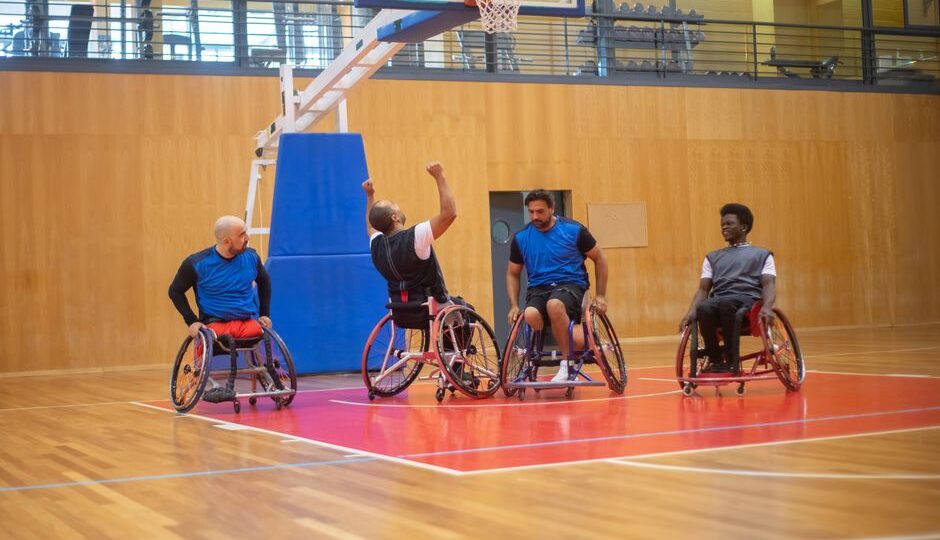
The Rise of Adaptive Sports Programs
Adaptive sports have come a long way over the past few years, with 2026 marking a significant turning point. Public interest has skyrocketed, and participation rates are growing faster than ever. Schools, communities, and professional organizations have increasingly recognized the importance of inclusivity, creating more opportunities for athletes of all abilities. From the bustling streets of New York City to the serene landscapes of Kyoto, adaptive sports are making waves everywhere.
Take the recent expansion of the Adaptive Sports Center in Crested Butte, Colorado. Once a local initiative, it now serves athletes from across the United States, providing them with a space to train, compete, and thrive. This growth is a testament to the changing attitudes and increased support for athletes with disabilities.
Technological Innovations Enhancing Performance
Technology is playing a critical role in the adaptive sports boom. New advancements are making it possible for athletes to perform at their best, breaking through what was once considered a barrier. Prosthetics have become lighter and more efficient, while smartwear technology offers real-time feedback on performance.
The ExoSpeed, a groundbreaking wheelchair model, exemplifies these advancements. Introduced earlier this year, it features AI-integrated navigation and lightweight carbon-fiber materials, allowing athletes to move faster and with more control. It’s making a significant impact in sports like wheelchair basketball and racing, giving athletes a competitive edge.
Community and Global Support
Community involvement has been crucial in supporting adaptive sports. Local communities are not only encouraging participation but are also hosting more events tailored to adaptive athletes. The 2026 Para Games in Berlin is set to be the largest of its kind, with unprecedented attendance expected and a diverse range of sports on display.
On a global scale, organizations like the International Paralympic Committee (IPC) are pushing for more inclusivity. Their new initiative, “Sport for All”, aims to bring adaptive sports to underdeveloped regions, ensuring that everyone, regardless of their background, can enjoy the benefits of sports.
Inspiring Stories from Athletes
Personal stories of triumph and perseverance continue to inspire and attract more people to adaptive sports. Meet Luca Martinez from Buenos Aires, a former school teacher who found a new purpose in adaptive rowing after losing a leg in an accident. His journey is not just about personal achievement but also about motivating others to challenge their limitations.
Then there’s Mia Chen from Taipei, who, despite being born with cerebral palsy, has become a national champion in adaptive swimming. Her story highlights the power of determination and the role of supportive communities in helping athletes achieve their dreams.
The Road Ahead: Continuing the Momentum
The future of adaptive sports looks bright, with continued advocacy and innovation paving the way for further growth. As more people become aware of the benefits, and barriers continue to fall, we can expect these sports to become even more mainstream.
For those looking to get involved, whether as athletes, volunteers, or supporters, the time has never been better. Reach out to local organizations or online communities to start your journey in adaptive sports. The impact goes beyond just physical health—it fosters a sense of community, empowerment, and belonging.
Practical Takeaway: Adaptive sports are thriving due to advancements in technology, increased community support, and inspiring athlete stories. Whether you’re looking to participate, support, or simply learn more, engaging with adaptive sports offers opportunities for connection and growth.