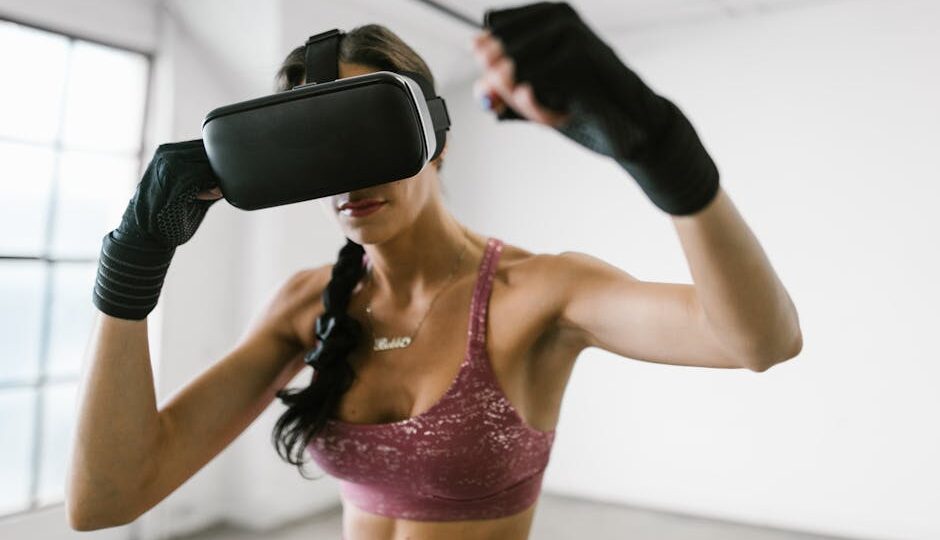
How Virtual Reality is Changing the Way We Experience Sports
As we step further into the digital age, virtual reality (VR) has emerged as a transformative force in the realm of sports. By 2026, VR technology has not only redefined how sports are consumed but has also revolutionized training, fan engagement, and accessibility, creating a more immersive experience for everyone involved.
The Immersive Fan Experience
Imagine sitting courtside at a Lakers game while being miles away from Staples Center. Thanks to VR, fans can now experience the thrill of live sports without leaving their living rooms. With headsets becoming more affordable and VR sports apps on the rise, fans can choose from multiple camera angles, listen to commentary, and even get instant replays just as they would in a stadium.
This virtual experience doesn’t stop at just watching. Platforms like Oculus Sports and NextVR have partnered with major sports leagues, offering interactive features such as real-time statistics, player profiles, and even fan forums where viewers can interact with others as if they were in the stands together. The level of customization and engagement makes every game feel personal and unforgettable.
Revolutionizing Athlete Training
For athletes, VR technology is more than a tool for fan engagement. It’s a critical component of training. Major League Baseball, for instance, has adopted VR simulations to help players improve their batting techniques. By recreating pitches from some of the best pitchers in the league, hitters can practice and prepare for real-life scenarios without the physical wear and tear of traditional practice sessions.
In another example, VR has become indispensable for NFL teams. Quarterbacks can use VR to simulate game scenarios, read defenses, and make split-second decisions without the risk of injury. As a result, players are not only improving their skills but also minimizing the risk of injury, which is a win-win for athletes and teams alike.
Expanding Accessibility and Inclusivity
VR is making sports more accessible to people with disabilities or those unable to attend due to geographic or financial constraints. Organizations like the International Paralympic Committee are using VR to bring the Paralympic Games to audiences who might not have the means to travel. VR provides an inclusive platform where everyone, regardless of their physical abilities or location, can experience the excitement of sports.
Moreover, VR’s accessibility features, such as audio descriptions and customizable settings, ensure that sports content is available to a wider audience, promoting inclusivity and diversity within the sports community.
Transforming Sports Broadcasting
Traditional sports broadcasting is being reshaped by virtual reality. Networks are now experimenting with VR broadcasts, offering a 360-degree view of games that can be accessed globally. Broadcasters such as ESPN and Sky Sports have developed VR channels, enabling viewers to switch between traditional and VR streams seamlessly.
This technological shift is not just beneficial for viewers but also for advertisers. Brands can engage with fans through virtual billboards and product placements within the VR environment, creating a new dimension of marketing opportunities.
The Challenges Ahead
Despite its many advantages, the integration of VR in sports is not without challenges. High production costs and the need for continuous technological advancements pose significant hurdles for widespread adoption. Furthermore, ensuring a seamless experience for every user requires robust internet connectivity, which is not yet universally available.
Security and privacy concerns are also paramount. The vast amount of data collected during VR sessions must be safeguarded against breaches, and user privacy should be a priority for developers and sports organizations alike.
Practical Takeaway
Virtual reality is undeniably reshaping the landscape of sports, offering unprecedented levels of engagement and accessibility. For fans, athletes, and organizations willing to embrace this cutting-edge technology, the potential to transform their sports experience is immense. As VR continues to evolve, those who adapt will find themselves at the forefront of a new era in sports entertainment.